First lawn treatment for just $19.95* First lawn treatment for just $19.95* Call Now

Insect and Grub Control Services in Raleigh, NC

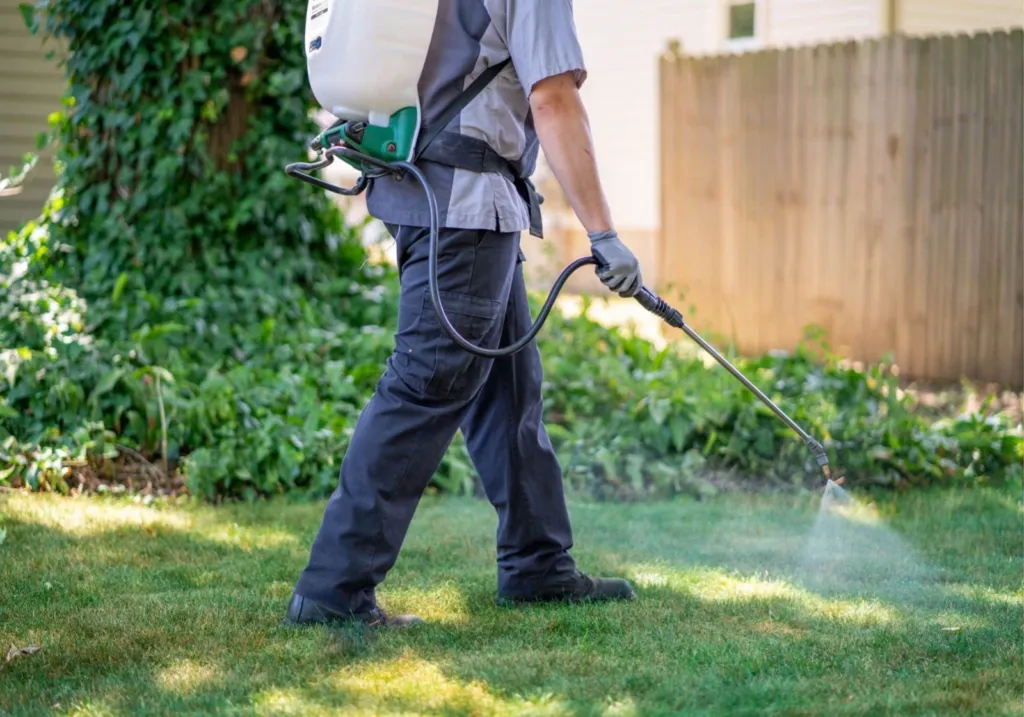
Turf Wizards provides insect and grub control in Raleigh, NC to stop lawn pests before they destroy your turf. Whether you’re dealing with grubs chewing roots or surface-feeding insects tearing through blades, we focus on what’s actually happening in your yard, treat it the right way, and help your lawn recover so it doesn’t keep getting worse.

Request a Quote

Pick the way that works best for you:

Call Us
Submit Form
Text Us
First lawn treatment for just $19.95*
Give us a call today!

984-309-4304

Monday - Thursday: 8 a.m. - 8 p.m.
Friday: 8 a.m. - 7 p.m.
Saturday: 8 a.m. - 4 p.m.
Sunday: 11 a.m. - 5 p.m.
First lawn treatment for just $19.95*


Complete form below and we’ll call you.

Text Message Scheduling

Opt into our text messaging platform to begin your program and schedule with us today!

Name(Required)

There’s nothing more frustrating than putting time into your lawn and watching it go downhill anyway. One week it looks fine, and the next you’re staring at brown patches, thin spots, and grass that just looks tired no matter how much you water. In Raleigh, that can happen fast, and a lot of times the culprit isn’t the heat or your mowing, it’s insects working underneath the surface.

Why Lawn Insect Control Matters in Raleigh?

Lawn insects don’t just make your grass look bad. They weaken it from the inside out. Once the turf is stressed, weeds move in, bare spots spread, and suddenly the lawn feels like a bigger project than it should be.

If the damage is coming from insects, watering more won’t fix it. Fertilizer alone won’t fix it either. You have to stop the pest activity first, or the lawn keeps losing ground.

In Raleigh, pest pressure can climb quickly because:

  • Warm soil keeps insects active for longer stretches
  • Humidity and frequent rain help populations grow fast
  • Stressed turf becomes an easy target
  • Once pests get comfortable, they don’t leave on their own

Signs You Might Have Grubs or Lawn Insects

A lot of people assume it’s drought or fungus at first. That’s normal. The important part is not letting it keep spreading while you guess.

Homeowners usually notice the same clues, even if they don’t know what pest is causing it yet:

  • Brown or thinning patches that keep spreading
  • Grass that feels loose or pulls up too easily
  • Birds showing up and pecking at the lawn more than usual
  • Raccoons or skunks digging at night
  • Spongy spots underfoot
  • Damage that seems to appear almost overnight

Common Lawn Pests We Treat in Raleigh

Grubs

Grubs are the classic hidden lawn destroyer. They feed on roots, so the grass loses its ability to pull up water and nutrients. That’s why grub damage often looks like the lawn is dying even when you’re watering. One tell-tale sign is turf that lifts up in sections like it’s barely attached.

Chinch Bugs

Chinch bugs feed near the surface and can make grass look dry and stressed, especially during hot weather. The damage often shows up in sunny areas first and can look exactly like heat stress, which is why it’s so easy to miss at the beginning.

Armyworms

Armyworms can chew through grass quickly. When they hit, homeowners often say it feels like the lawn declined overnight. If you see sudden thinning and ragged-looking grass blades, they’re worth checking for.

Sod Webworms

Sod webworms feed at night and leave behind thin, uneven turf that never seems to bounce back. If your lawn keeps looking worn down even when your routine hasn’t changed, webworms can be part of the issue.
Every yard is different, which is why the best treatment is the one that matches the pest and the timing, not a random spray-and-hope approach.

Our Insect and Grub Control Process

Step

1

Lawn Walkthrough

We start by walking the yard and looking closely at the areas that are changing, thinning zones, brown patches, edges that are fading, and any spots that feel spongy or loose.

Step

2

Figure Out What’s Really Going On

Not all lawn damage is insect damage, and not all insects are treated the same way. We look at the pattern, the timing, and the symptoms so we can make the right call instead of guessing.

Step

3

Build a Targeted Treatment Plan

Once we know what we’re dealing with, we treat the areas that need it and focus on stopping the damage. The goal is to be effective without overdoing it or treating the lawn unnecessarily.

Step

4

Apply the Treatment at the Right Time

Timing matters with lawn pests. Treating at the right time helps improve results and keeps the problem from bouncing right back.

Step

5

Help the Lawn Recover

Stopping insects is step one. Helping the lawn recover is step two. If your lawn is thin or stressed after the pest pressure, we can recommend what to do next so the turf fills back in instead of staying weak and inviting weeds.

Why Choose Turf Wizards for Insect and Grub Control in Raleigh?

When something is attacking your lawn, you want answers and a plan that makes sense. Turf Wizards keeps service straightforward, explains what we’re seeing, and treats the problem in a way that protects the turf long-term.

- Local service built around Raleigh pest cycles
- Targeted treatment based on what your lawn is actually showing
- Clear expectations so you know what should improve and when
- Options for prevention if your lawn is prone to repeat pest pressure
- Simple scheduling and quick estimates

Insect and Grub Control FAQs

Areas We Serve

We provide insect and grub control in Raleigh and nearby areas, including:

  • Cary
  • Holly Springs
  • Morrisville
  • Fuquay-Varina
  • And surrounding neighborhoods

Get a Free Insect and Grub Control Quote in Raleigh

If your lawn is thinning, patchy, or getting worse fast, don’t wait and hope it clears up. Request a free quote from Turf Wizards and we’ll help you figure out what’s driving the damage, stop the pest activity, and put your lawn back on track, so you can stop stressing over the spots getting bigger and start seeing the grass bounce back again.